Are you weary of struggling with poor eyesight and depending on glasses along with lens wear to see clearly? If that’s the case, lens replacement surgery could be the remedy that you seek. Such an novel surgical technique not only deals with frequent vision issues like cataracts along with focusing errors but additionally provides a chance for clearer vision as well as an improved quality of life. Due to improvements in technology, this type of surgery is now a secure and efficient option for individuals of all ages, notably people over 45 experiencing visual changes.
In the following text, we will explore the advantages of lens replacement procedures, what it does for ailments like age-related blurry vision, nearsightedness, as well as hyperopia, and then why it may be a superior option for certain individuals over options like LASIK surgery or implantable contact lenses. We will additionally talk about the financial details related to the procedure, covering expenses as well as coverage by insurance, enabling you to formulate an informed decision concerning the options for correcting your vision. Join go here as we clarify the concept of lens replacement to enable you to welcome clear sight forever.
Understanding Lens Exchange Surgery
Lens replacement surgery, commonly known as refractive lens exchange, is a method intended to treat various vision issues such as cataracts, presbyopia, nearsightedness, plus farsightedness. During this surgery, the eye's natural lens gets extracted and replaced with an artificial intraocular lens. This has the potential to enhance vision, enabling individuals to lead a more dynamic and satisfying lifestyle eliminating the need for the dependency on spectacles or lenses.
One of the key advantages of lens exchange is its versatility. It is highly customizable to meet the particular vision needs of individual patient. Offering various premium intraocular lens options on the market, such as trifocal and long-range focus lenses, patients can experience enhanced far vision vision, intermediate vision, and near vision. This degree of personalization ensures that individuals can achieve ideal vision correction custom-fit to their way of life and choices.
Furthermore, lens replacement surgery remains a particularly successful solution for those who have developed cataracts or are experiencing age-related vision deterioration. Compared to standard solutions including glasses or contact lenses, that may not address the essential problem of vision concerns, lens replacement offers a more permanent solution. Due to improvements in technology, the procedure has become more secure, more effective, and more accessible, opening doors for many to eliminate vision constraints.
Analyzing Optical Correction Choices
While considering options for vision correction, it is essential to evaluate the different approaches available. Lens Replacement Surgery, also known as Refractive Lens Exchange, offers a fundamental change by replacing the eye's original lens with an man-made one. This approach is particularly beneficial for those with high levels of vision errors such as nearsightedness and farsightedness, as well as for patients dealing with cataracts or presbyopia. Differently from simply click the next document , Lens Replacement Surgery provides a lasting solution, often eliminating the need for glasses or contact lenses completely.
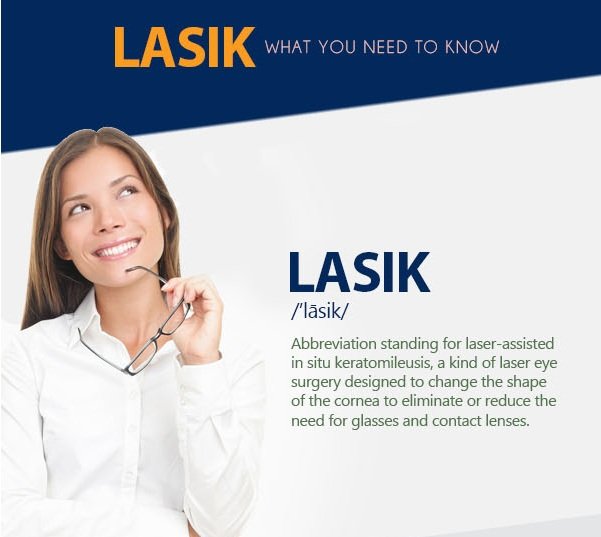
On the other hand, procedures like Laser-Assisted in Situ Keratomileusis and PRK modify the cornea's shape to improve vision. Though these methods can efficiently manage myopia, hyperopia, and astigmatism, they may not be appropriate for all, particularly those with advanced cataracts or major age-related vision decline. Lens Replacement Surgery stands out as a viable option for individuals aged 45 and older, who may be experiencing age-related changes in vision. Additionally, the development of premium intraocular lenses offers customized outcomes designed for specific visual needs, boosting distance, close-up vision, and even low-light vision.
Every option presents its individual set of advantages and considerations. While Laser-Assisted in Situ Keratomileusis and PRK are non-invasive and have quicker recovery times, Refractive Lens Exchange can address a larger range of vision issues in a comprehensive procedure. Moreover, for those with dynamic lifestyles or who require specific visual correction for sports, bespoke lens replacement options can provide specific solutions, ensuring maximum performance and comfort. Ultimately, the decision between these optical correction methods will depend on personal lifestyle needs, the degree of vision impairment, and subjective preferences.
Overseeing Anticipations and Results
Going through lens replacement surgery can be a transformative decision for many individuals dealing with vision issues. Nevertheless, it's essential to have realistic expectations about the procedure's outcomes. While many patients experience significant improvements in their vision, results can differ according to individual factors such as age, pre-existing eye conditions, and the specific type of lens used. Talking about these aspects with your surgeon helps align your expectations with what is practical for your personal situation.
The type of intraocular lens you select also plays a crucial role in your visual outcomes. For instance, premium lenses such as trifocal or extended depth of focus (EDOF) lenses can provide a broader range of vision, lessening dependence on glasses after surgery. However, these advanced options might have higher costs, so it is essential to weigh the benefits against your personal vision needs and financial considerations. Understanding the pros and limitations of each lens type can guide you in picking the best option for your daily routine.
Post-operative care and regular follow-up appointments are vital to ensuring a successful recovery and optimal vision results. Although many patients achieve improved clarity and reduced glare, some may encounter temporary visual disturbances, such as halos or blurred vision. Recognizing these potential side effects enables you to prepare for what may lie ahead. Honest communication with your eye care provider will help resolve any concerns and ensure that you achieve the best possible outcomes following lens replacement surgery.
Customizing The Lens Replacement Experience
Opting for lens replacement surgery is not only a uniform method. Every individual's vision needs and way of life play a key role in determining the best options available. During the initial consultations, eye care professionals examine your specific vision issues, age, activity level, and preferences. This tailored assessment ensures that the selected lens type, be it a premium intraocular lens or a standard option, matches with the regular activities and vision goals.
Cutting-edge technologies, including trifocal intraocular lenses and extended depth of focus optics, allow for a custom experience that can enhance vision at multiple distances. If you have an energetic lifestyle, you may experience athlete-focused vision improvements that offer improved contrast sensitivity and reduce halos or glare. Talking about your hobbies and daily activities with the surgeon is essential, as it allows them to suggest tailored solutions that cater to the unique needs.
Additionally, the expense of custom lens replacement can vary based on the technologies selected and the intricacy of your needs. Many clinics provide financing options or payment plans to help ease these costs. By making an effort to explore various lenses and share the expectations during meetings, you can find a resolution that not only enhances the vision but also fits comfortably within your budget, making the lens replacement experience actually personal.